

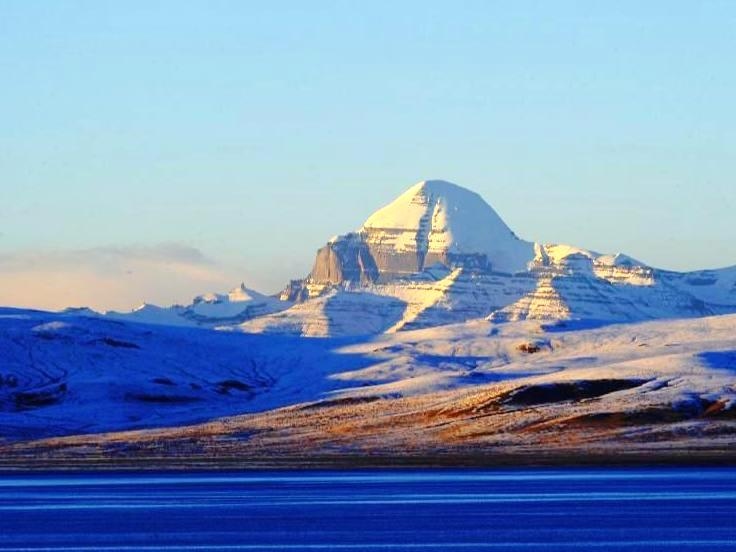


Day 1 Lhasa
Day 2 Lhasa
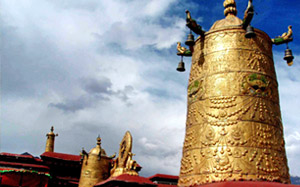
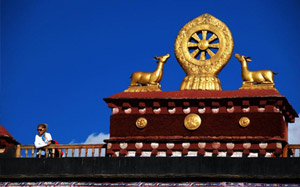
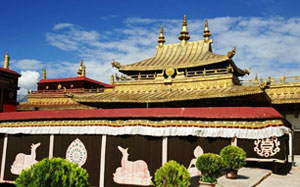
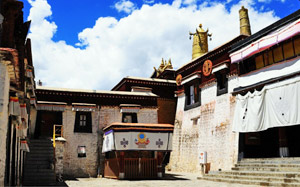
With a history of more than 1,300 years, Jokhang Template is a Tibetan Buddhist monastery nestled in the old part of Lhasa. Having housed almost all key Buddhist events, the temple is often called the “Eye of Xizang (Tibet) Autonomous Region”. Thanks to its extremely high status in Buddhism, the temple is frequented by pilgrims and worshiped with burning incense all year long. It is circled in a clockwise direction every day by a steady stream of believers who kneel with devotion in front of the main entrance on a stone floor imbued with the marks of the visits of the thousands of pilgrims who have come before them.
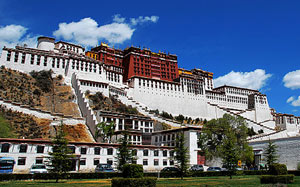


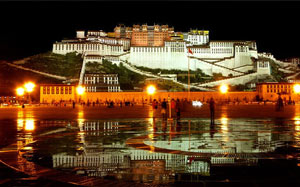


Day 3 Lhasa
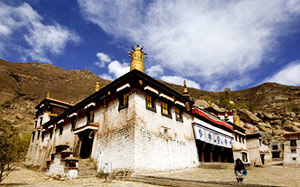
This monastery together with Drepung Monastery and Ganden Monastery are jointly known as the “great three monasteries of Lhasa”. This tranquil place has seen a succession of eminent monks and living Buddha give lectures about Buddhist scriptures ever since its completion in 1419. Sera Monastery is particularly known in the Tibetan region for its daily scripture debates, which remain one of its main draws. The monastery has developed its own distinctive style in terms of the level of occasion, code of gestures as well as intensity, and is a fascinating ritual to watch.
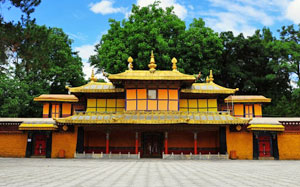
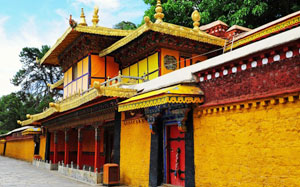

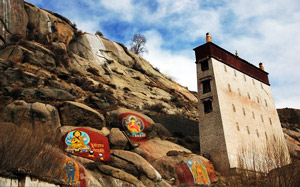
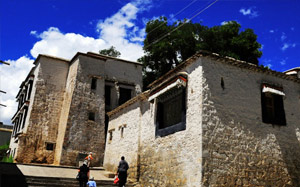

Day 4 Lhasa - Gyantse (by automobile)
Today, take a 2-hour car ride and explore the Ganden Monastery, one of the three greatest Buddhist monasteries in Tibet. A visit to Ganden Monastery is incomplete without walking its 1.5-hour long pilgrimage route.
After lunch, you will start to hike from Ganden Monastery (3,900 meters in height) and follow the trail rising to the Drushi Village. During the way, you will reach to the Gandan pasture and Gandan Pass, where is a best point to appreciate an inspiring view of Gandan Monastery. Today’s trekking takes about 3-4 hours to arrive at Drushi Village. Enjoy your dinner in the tranquil village.
Overnight in camp (3,700 meters above sea level)
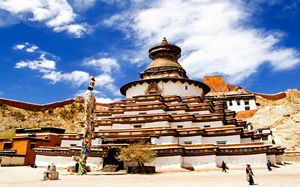
The Palkhor Choede, a monastery having the characteristics of Han, Xizang and Nepali architecture, is a mixture of different cultures. It enjoys a high status in Xizang Buddhism history.
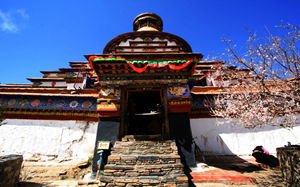
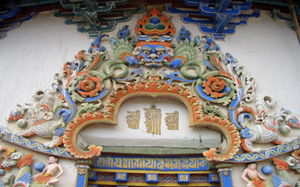
Day 5 Gyantse - Shigatse (by automobile)
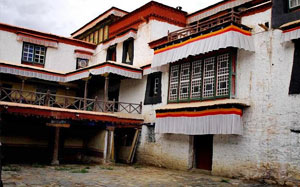
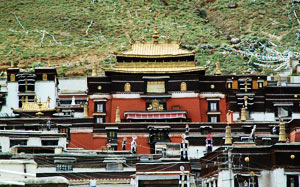

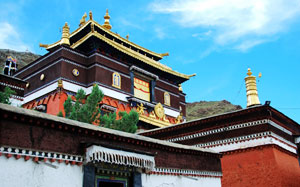
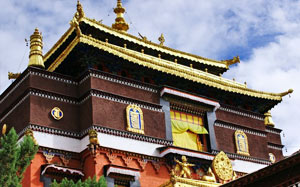
Day 6 Shigatse - Everest Base Camp (by automobile)

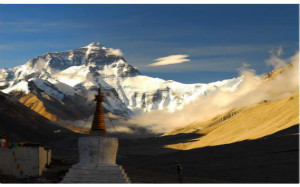
Day 7 Everest Base Camp - Saga (by automobile)
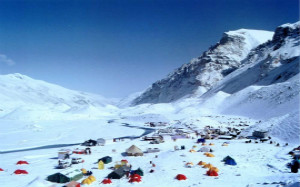

Day 8 Saga - Lake Manasoraver (by automobile)
Day 9 Lake Manasoraver - Darchen (by automobile)
Day 10 Darchen - Dira-puk Monastery (20km, 5-6hrs trek)
Day 11 Dira-puk Monastery - Zutul-puk Monastery (15km, 6-7hrs trek)
Day 12 Zutul-puk Monastery - Darchen (14km, 4-5hrs trek)
Day 13 Darchen
Day 14 Darchen - Saga (by automobile)
Day 15 Saga - Shigatse (by automobile)
Day 16 Shigatse - Lhasa (by automobile)
About Tibet Travel Permits:
1. All foreign travelers are required to have the Tibet Travel Permit (or Tibet Permit, Tibet Entry Permit) in hand before entering Tibet. The Tibet Travel Permit is issued by Tibet Administration to the authorized travel agencies, but not to individual travelers directly.
2. CITS handle Tibet Permit application for guests who booked Tibet tour package from us. Travelers can either take a tailored private tour or join in a group tour. The tour package should include services of tour guide, automobile, sightseeing & accommodation. Please be advised that we do NOT offer “permit-only” service.
3. The Tibet Permit needs to be applied at least 20 days prior to arrival in Tibet, so we suggest travelers send the tour inquiry at least 30 days in advance.
4. The general travel information (including tour dates, travelers’ personal information, destinations in Tibet…) will be attached to the Tibet Permit, so the travel itinerary could not be changed once the tour is confirmed.
5. All travelers can get Tibet Permit through an authorized travel agency except diplomats, journalists, and government officials who should travel to Tibet under the arrangement by the Foreign Affairs Office of Tibet Government.
How to book a Tibet tour with Tibet Travel Permit:
Step1: Traveler sends a travel inquiry to CITS.
Step 2: CITS travel counselor sends you an itinerary and quote. We are pleased to make any changes as per your request before you are completely satisfied with the tour proposal.
Step 3: Book the tour and make the payment via bank transfer or PayPal. Payment needs to be received by us at least 20 days before your arrival.
Step 4: Send us the following document & information:
- A scanned copy of your passport (photo page);
- A scanned copy of your China visa (tourist visa);
- All travelers’ information including full names, gender, date of birth, passport number, nationality and occupation;
Step 5: Your travel counselors will confirm the tour and send you an email attached with the confirmation & voucher.
Step 6: When you leave for Lhasa you will need to show the original copy of the Tibet permit when checking in at the airport or railway station. The permit will be delivered to our local office in the departure city. You will need to pick it up from the local office. If you booked the land service at that city, our guide will pass the permit to you.
-- Private tour guide
-- Private air-conditioned car or coach
-- Land transfers between airport or railway station and hotel
-- Entrance tickets as listed
-- Chinese lunch and dinner as listed
-- Centrally located hotels with breakfast
-- Tibet Travel Permit
-- Service charge & government taxes
-- Flight or train ticket
-- Personal expenses such as laundry, drinks, phone bills, optional activities
-- Tips for guides and drivers
-- China Visa
-- Travel insurance