



Tour Highlights+
Discover imperial majesty inside the Forbidden City and unwind beside the royal waters of Kunming Lake at the Summer Palace.
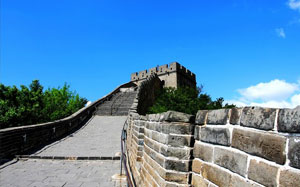
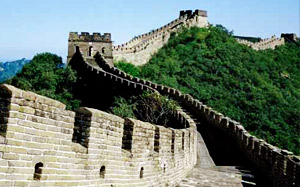
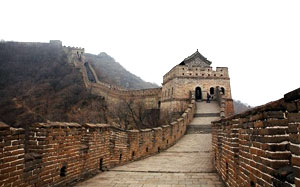
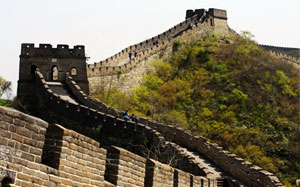
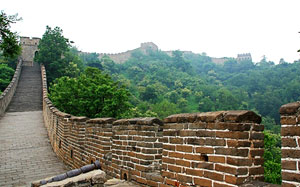
Trek along the ancient mountain ramparts of the Great Wall and photograph the iconic Olympic Bird's Nest and Water Cube.
Descend into the Dingling Underground Palace to explore the only excavated imperial tomb of the Ming Dynasty.
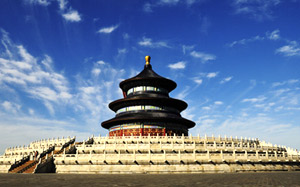
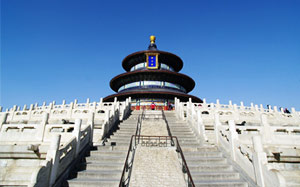
Experience sacred Ming and Qing dynasty sacrificial traditions at the Temple of Heaven alongside Tibetan art at the Lama Temple.
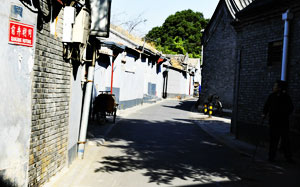
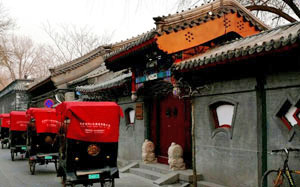
Stroll through narrow courtyard lanes on a rickshaw ride through old Beijing's historic Hutong neighborhoods.
Savor an authentic Peking roast duck dinner celebrated for crispy skin and delicate fruitwood flavors.
Day 1 Arrival in Beijing
Day 2 Beijing | Forbidden City & Summer Palace
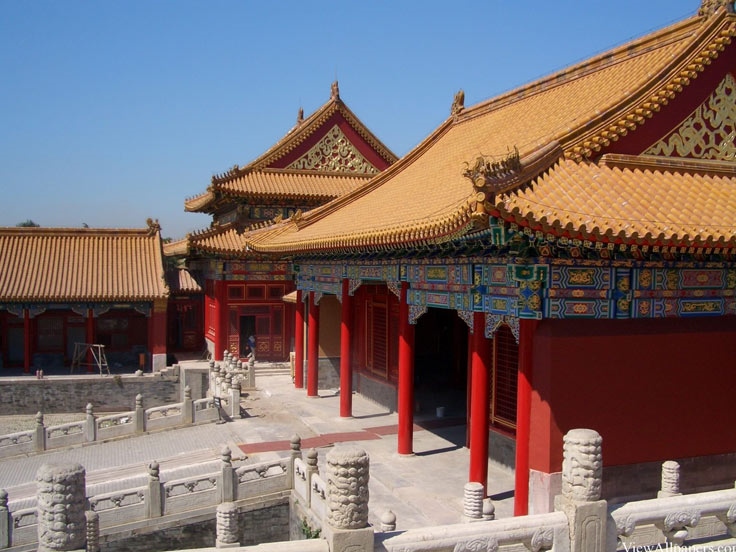
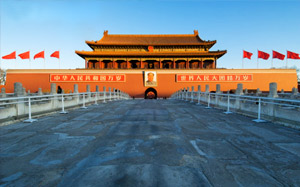
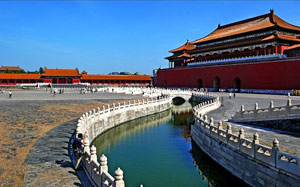
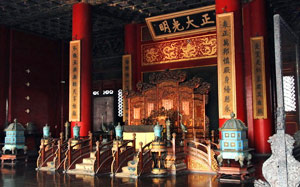
Constructed from 1406 at the very centre of Beijing, the Palace Museum is more widely known as the Forbidden City. Previously home to 24 different emperors, it is the largest palace complex in the world at approximately 720,000 square metres. Note: Closed on Mondays. In case of closure or ticket unavailability, the itinerary adjusts to Jingshan Park for a premier panoramic view overlooking the entire Forbidden City.
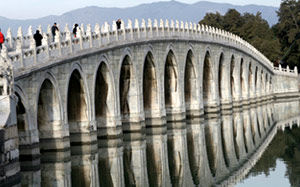
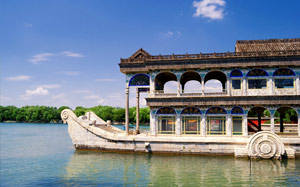
This Qing Dynasty (1636-1912) imperial palace and garden (1636-1912) is the largest and best-preserved imperial garden in China. Modelled on the West Lake in Hangzhou and borrowing design techniques and artistic ideas from the gardens of Jiangnan south of the Yangtze River, this landscaped park offers the perfect summer retreat.
Dinner Suggestions: Iconic Peking Duck
Indulge in a signature feast at a renowned, time-honored restaurant. Savor the legendary roast duck, celebrated for its signature crispy skin, tender meat, and the subtle aroma of fruit-wood roasting.



Day 3 Beijing | Great Wall & Dingling Tomb
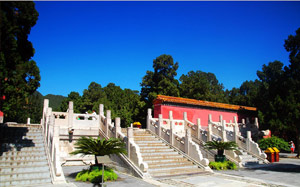
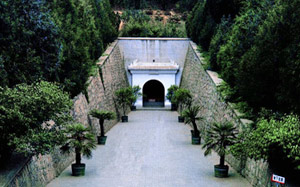
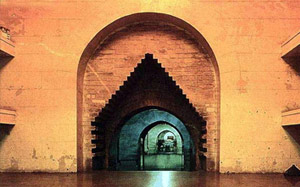
The Dingling Tomb (UNESCO), also called Dingling Underground Palace, is one of the Thirteen Tombs of the Ming Dynasty (1368-1644). It is the only Ming Tomb that has been excavated.
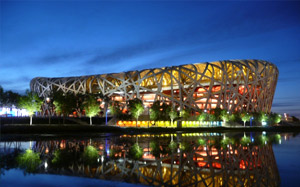
Take an outside tour to the Olympic Stadium, nicknamed Bird's Nest, and the National Swimming Centre, also known as the Water Cube.



Day 4 Beijing | Temple of Heaven, Hutongs & Lama Temple
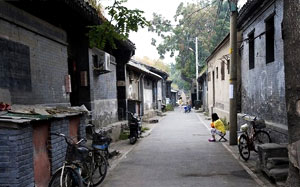
Dive into the heart of old Beijing with a visit to the Hutongs—a maze of historic, narrow alleys lined with traditional courtyard houses. To experience this vibrant neighborhood like a local, you will take a traditional rickshaw tour. Sit back and relax as your driver wheels you through the lively lanes, passing by local markets, ancient doorways, and hidden gardens. It is a wonderful, nostalgic journey that offers an intimate look at the city's traditional lifestyle away from the modern skyscrapers.
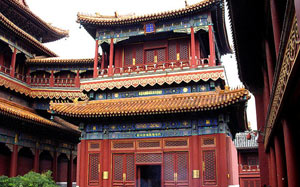
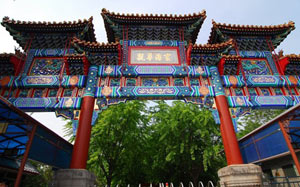
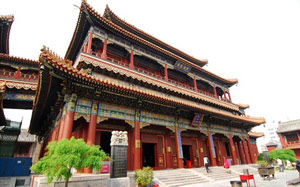
The Lama Temple has a reputation of the largest and best-preserved Tibetan Buddhist Lamasery in Beijing. The building and artwork of the lama Temple is a combination of Han and Tibetan styles.


Frequently Asked Questions (FAQ)
Q: What makes the Dingling Tomb excursion unique compared to other imperial sites?
A: Dingling is the only excavated tomb among the Thirteen Ming Tombs, allowing visitors to walk directly into the vast underground stone palace vaults to view imperial thrones and burial chambers.
Q: Which section of the Great Wall is featured in this 5-day tour?
A: The itinerary typically visits the Mutianyu or Badaling sections. Mutianyu is generally recommended for international travelers due to its well-preserved stone towers, cable car access, and scenic ridgelines.
Q: Is this itinerary suitable for travelers utilizing the 240-hour visa-free transit?
A: Yes. International passengers transiting through Beijing Capital International Airport (PEK) or Beijing Daxing International Airport (PKX) can seamlessly experience this 5-day private tour under the visa-free policy.
Q: What dining arrangements are included during the tour?
A: Selected daily Chinese lunches featuring local specialties are provided. For dinner, your private guide will arrange an authentic, time-honored Peking Duck dinner experience.
- Private English-speaking tour guide
- Private air-conditioned van
- Land transfers between airport and hotel
- Entrance ticket as listed
- Lunch as listed
- Hotel accommodation with breakfast
- Service charge & government taxes
- Flight and train ticket
- Personal expenses such as laundry, drinks, fax fee, phone bills, optional activities
- Gratuities for guides and drivers
- China Visa
- Travel insurance