



Tour Highlights
Gentle Altitude Acclimatization: Begin your journey in oxygen-rich Nyingchi (approx. 3,000m), allowing for a smoother, more comfortable acclimatization to the plateau.
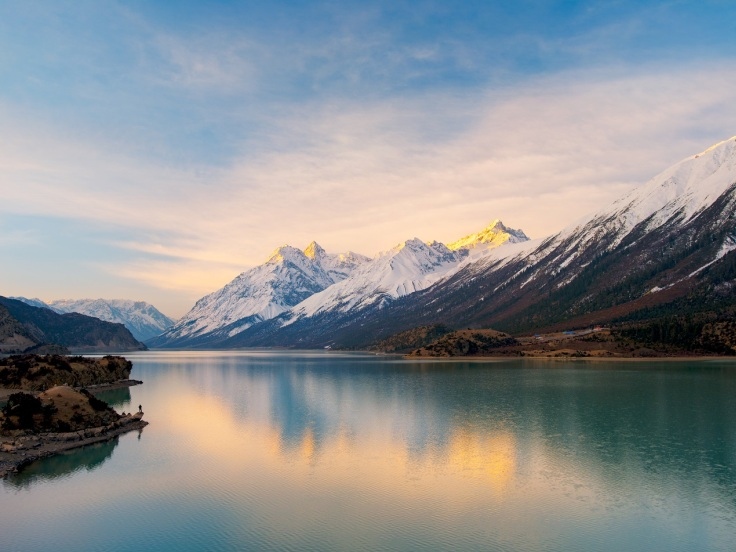
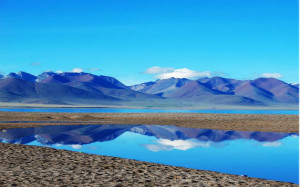
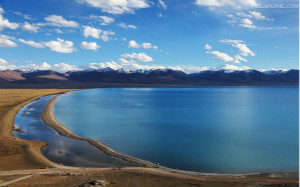
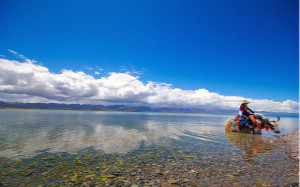
Spectacular Glaciers & Alpine Lakes: Stand in awe before turquoise Rawok Lake, ancient Laigu Glacier, sacred Basum-tso, and the sky-blue waters of Namtso Lake.
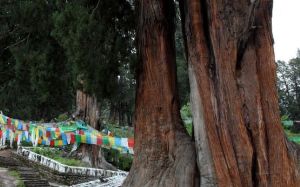
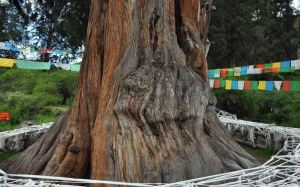
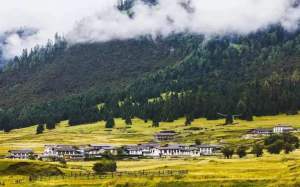
Lush Plateau Forests: Explore ancient giant cypress woodlands and the scenic alpine meadows of Lulang Forest framed by views of Mt. Namcha Barwa.
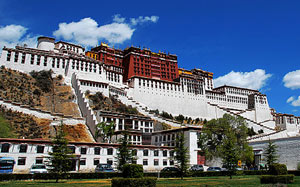
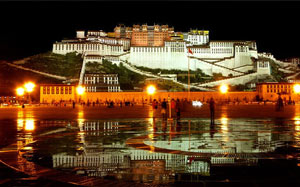
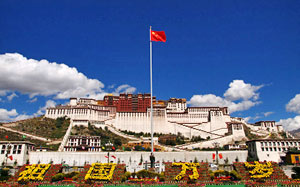
Sacred Lhasa Landmarks: Tour the UNESCO-listed Potala Palace, venerated Jokhang Temple, and witness dynamic monastic debates at Sera Monastery.
Complete Permit Handling: Enjoy seamless travel throughout Xizang (Tibet) with full Travel Permit application support and private local Tibetan guide service.
Day 1 Nyingchi to Bome | Giant Cypress Forest & Lulang Forest
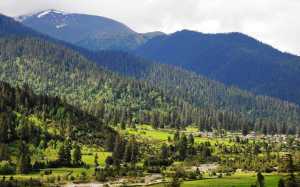
Lulang Forest is a typical plateau-mountain-meadow, which is known as a fairyland where gods live in with scenic beauties, with breathtaking scenery in different seasons. LuLang means “a place that will make you forget your home”. Also, it is the best spot to watch the Namjagbarwa (the highest peak in Nyingchi with an elevation of 7782 meters).
Then, drive to Bome and stay overnight there.
Day 2 Bome | Rawok Lake, Laigu & Midui Glaciers
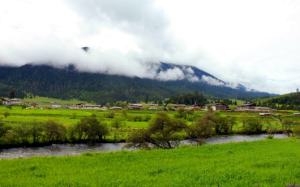
One day excursion to Rawok Lake - a long skinny lake. It is 20 kilometers in length and depending on the season only 1-5 kilometers in width. The lake was formed by the blocking of rivers, the main one being Parlongzangbu, by debris from landsides, glaciers, and natural walls. This eventually caused water to pull into this area, creating Rawok Lake.
Then enjoy the visit to Laigu Glacier, the largest glacier in its region at 32 km in length. The glacier terminates in an expanding proglacial lake, Laigu Lake.
Visit Midui Glacier and enjoy boundless aboriginal forest.
Day 3 Bome to Bayi by Private Car | Mt. Namcha Barwa & Niyang River
Today, transfer from Bome County to Bayi County. You will go through the Niyang River, a major river in south-west Tibet and the longest tributary of the Yarlung Tsangpo River.
On the way you will also pass Mt. Namcha Barwa. Standing at 7,782 meters above the sea level, Mt. Namcha Barwa it is historically and geographically popular in Tibetan history. The name literal means “the flaming thunderbolt”.
Day 4 Bayi to Lhasa by Private Car | Basum-tso Lake
Day 5 Lhasa | Potala Palace, Jokhang Temple & Barkhor Street
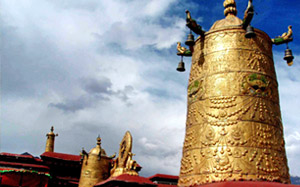
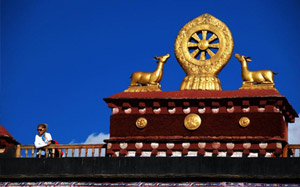
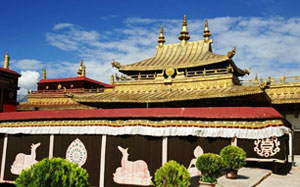
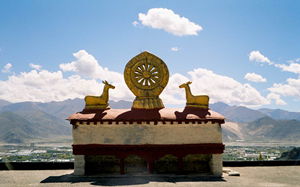
With a history of more than 1,300 years, Jokhang Template is a Tibetan Buddhist monastery nestled in the old part of Lhasa. Having housed almost all key Buddhist events, the temple is often called the “Eye of Xizang (Tibet) Autonomous Region”. Thanks to its extremely high status in Buddhism, the temple is frequented by pilgrims and worshiped with burning incense all year long. It is circled in a clockwise direction every day by a steady stream of believers who kneel with devotion in front of the main entrance on a stone floor imbued with the marks of the visits of the thousands of pilgrims who have come before them.
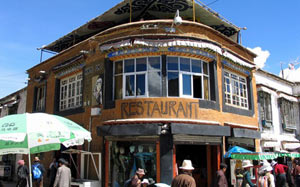
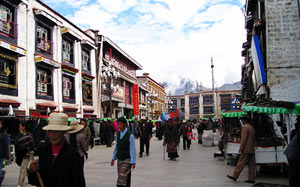
The Jokhang Temple is located in the Barkhor neighbourhood and the street around the temple is called Barkhor Street, which means “eight corner street”. Initially a normal road around the temple, it has gradually become the route by which many pilgrims circumambulate the monastery in prayer and one of Lhasa’s most important commercial streets. Lined on both sides with shops selling religious wares in various sizes as well as all kinds of daily necessities, it is a fantastic place to shop, try local snacks, and check out the variety of goods on offer.





Day 6 Lhasa | Sera Monastery & Drepung Monastery
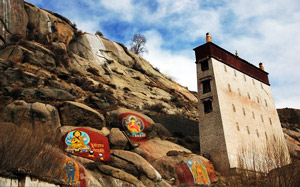
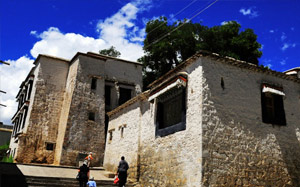
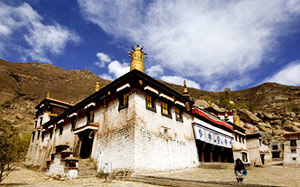
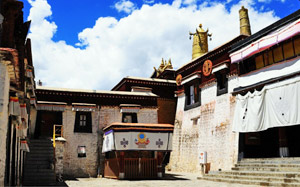
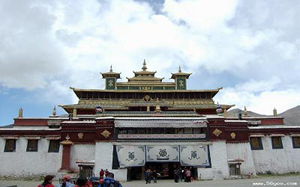
Founded in the year 1416, the Drepung Monastery is recognized as the world’s largest monastery housing over 10,000 monks.


Day 7 Lhasa | Namtso Lake

Xizang (Tibet) Travel Permit Guidelines & Booking Process
Essential Permit Guidelines
Mandatory Requirement: All non-Chinese passport holders require a Travel Permit in addition to a valid Chinese Visa to board flights or trains into Xizang (Tibet).
Authorized Application: Independent permit applications are not accepted; permits must be arranged through an authorized travel agency as part of a fully booked package (including licensed guide, private vehicle, and itinerary).
Application Timeline: Submit your booking and documents at least 25–30 days prior to departure to ensure smooth government processing.
Fixed Itinerary: Destinations, travel dates, and traveler details are locked onto the permit once issued and cannot be altered during travel.
4-Step Easy Booking & Permit Process
Step 1: Confirm Itinerary & Book Tour Package — Select travel dates and finalize private tour arrangements with your travel consultant.
Step 2: Submit Required Travel Documents (30 Days in Advance) — Provide clear digital copies of your passport photo page and valid China Tourist Visa (L Visa).
Step 3: Agency Applies for Travel Permit — We handle all official regional documentation, government approvals, and verification.
Step 4: Receive Your Original Permit — The original permit will be delivered to our local office in your departure city for pickup. If you have booked local land services in that city, our guide will hand the permit to you in person before your departure.
Frequently Asked Questions (FAQ)
Q: Why is starting a Xizang (Tibet) tour in Nyingchi advantageous?
A: Nyingchi sits at a considerably lower elevation (around 3,000 meters) and features dense forests with higher oxygen levels, making it ideal for gradual altitude acclimatization before traveling to higher destinations like Lhasa (3,650m) and Namtso Lake (4,718m).
Q: How far in advance do I need to book to get the Travel Permit?
A: Please confirm your tour booking and submit digital copies of your passport and Chinese visa at least 25 to 30 days prior to your arrival date.
Q: What is the best season to visit Nyingchi and Namtso Lake?
A: Spring (April to May) brings blooming peach blossoms and crisp mountain views, while Summer through Autumn (June to October) offers lush green landscapes, clear lakes, and optimal road conditions across the plateau.
Q: How do I receive my physical permit before entering Xizang (Tibet)?
A: The original permit will be delivered to our local office in your departure city, where you can pick it up prior to boarding your flight or train. If you have booked land services with us in that departure city, our local guide will deliver the permit to you directly.
-- Private tour guide
-- Private air-conditioned coach
-- Land transfers between airport or railway station and hotel
-- Entrance tickets as listed
-- Chinese lunch as listed
-- Centrally located hotels with breakfast
-- Tibet Travel Permit
-- Service charge & government taxes
-- Flight or train ticket
-- Personal expenses such as laundry, drinks, phone bills, optional activities
-- Tips for guides and drivers
-- China Visa
-- Travel insurance