



Day 1 Beijing
Day 2 Beijing
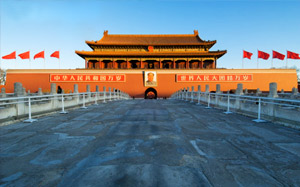
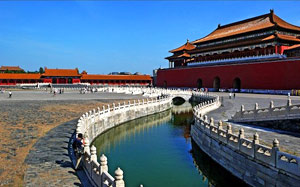
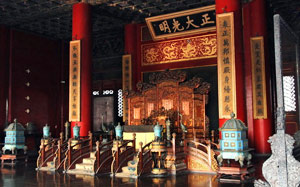
Constructed from 1406 at the very centre of Beijing, the Palace Museum is more widely known as the Forbidden City. Previously home to 24 different emperors, it is the largest palace complex in the world at approximately 720,000 square metres. Note: Closed on Mondays. In case of closure or ticket unavailability, the itinerary adjusts to Jingshan Park for a premier panoramic view overlooking the entire Forbidden City.
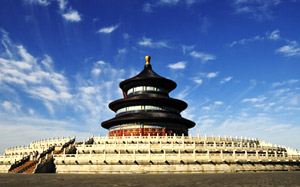
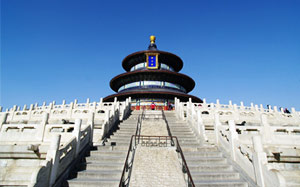
Completed in 1420, the Temple of Heaven is the largest complex of sacrificial buildings in China that still stands to this day. The temple was visited by Ming (1368-1644) and Qing (1636-1912) emperors on an annual basis to pray to the heavens for a good harvest. The subtle employment of acoustic principles used in the construction of the Echo Wall, Triple Sound Stone and Dialogue Stone reflects the advanced architectural technology in use in ancient China.
Good to know: Usually the guide service for a full day tour is about from 9:00 to 17:00, and the evening time is on your own. If needed, your guide is happy to offer some tips or help you buy tickets for evening entertainment.
Ideas for leisure time: If you are interested in Chinese Kung Fu, the Legend of Kung Fu is a good choice for tonight. It is stunning Kung Fu show with a great story line and martial arts skills.


Day 3 Beijing
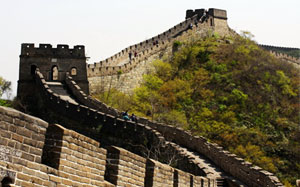
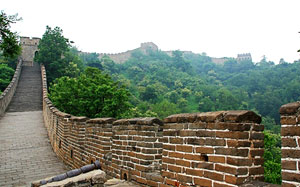
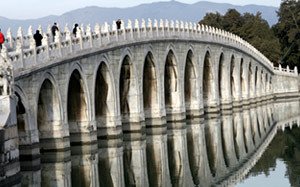
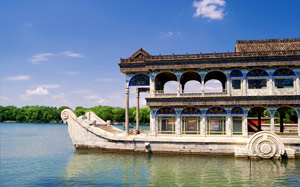
This Qing Dynasty (1636-1912) imperial palace and garden (1636-1912) is the largest and best-preserved imperial garden in China. Modelled on the West Lake in Hangzhou and borrowing design techniques and artistic ideas from the gardens of Jiangnan south of the Yangtze River, this landscaped park offers the perfect summer retreat.
Ideas for leisure time:
1. Enjoy the Peking Duck dinner at time-honored restaurant - Quanjude or Bianyifang. The duck is characteristic with its crispy skin, tender meat and the fragrance from the fruit-wood.
2. Watch a breathtaking acrobatic show at Chaoyang Theater or Tiandi Theater.



Day 4 Beijing – Xi’an (by bullet train)
Day 5 Xi’an
The Big Wild Goose Pagoda, a Tang Dynasty landmark, is a seven-story pagoda initially constructed in 652 AD. One of the pagoda's many functions is to hold sutras and figurines of the Buddha that were brought to China from India by the Buddhist translator and traveler - Xuanzang.
Ideas for leisure time: Enjoy a tasteful Dumpling Banquet followed by an exquisite traditional Tang Dynasty Show.
Good to know: If you have an extra day in Xi’an, you could explore the Mount Hua and get impressed of its unique natural beauty. Or to take a day trip to Luoyang by bullet train and visit the Longmen Grottoes, one of the Three Most Famous Buddhist Grottoes in China.




Day 6 Xi’an - Zhangye (by air)

Day 7 Zhangye
The Wooden Pagoda Temple was firstly built by Emperor Suiwen of the Sui Dynasty (581–618). Although destroyed and rebuilt several times, the Wooden Pagoda still is a magnificent architecture with its distinct and traditional features.
Take a 1.5-hour car ride to the Zhangye Danxia Landform Geological Park. You will admire the Danxia Landform, which is perfectly combined with multi-colored mountains, valleys, hills, and cliffs. Gazing out at the vast area of such landform, you will be marveled by the craftsmanship of Mother Nature.


Day 8 Zhangye - Lanzhou (by bullet train)


Day 9 Lanzhou - Shanghai (by air)
Unfurling below visitors a marvelous view of the city of Lanzhou and the mighty waters of Yellow River rolling on incessantly when they climb onto the top of the hill.


Day 10 Shanghai
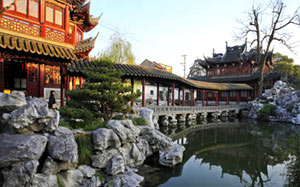
The Jade Buddha Temple is famous for its two precious jade Buddha statues brought from Burma, which are not only rare cultural relics but also exquisite artworks.
The Shanghai Museum has a collection of 120,000 pieces of Chinese ancient treasures. Optional tour: Top of the Pyramid - The Exhibition of Ancient Egyptian Civilization is on display from July 19th, 2024 to August 17th, 2025.
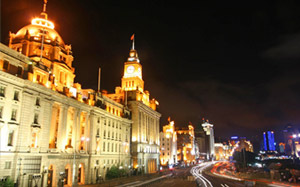
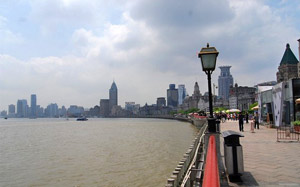
One of the city’s most recognisable landmarks and the pride of Shanghai for over one hundred years, the Bund is a mile-long stretch of waterfront promenade along the Huangpu River. On the west side of the road stand 52 buildings of various architectural styles, including Gothic, baroque, and neoclassical styles. It is often called an outdoor museum of buildings.
Ideas for leisure time:
1. Acrobatic Shows in Shanghai are known as the best in China. You can never imagine how exciting the show is.
2. Or you could take a Huangpu River Night Cruise which is the perfect way to enjoy the gorgeous night view of Shanghai.



Day 11 Shanghai - Wuyishan (by bullet train)
Take a stroll along the Xintiandi Street, a boutique area highlights a harmonious merger of classic and modern Shanghai.


Day 12 Wuyishan


Day 13 Wuyishan - Hangzhou (by bullet train)
Today, continue to explore the Wuyi Mountains Scenic Area. Take a visit to the Harmonious Temple, Water Curtain Cave, and Eagle Mouth Rock. Then, learn about the history of the oolong tea at the Dahongpao Oolong Tea Plantation, the best Oolong tea plantation in the world.
Later, transfer to the train station in Wuyishan city and take a bullet train to Hangzhou.
Day 14 Hangzhou - Shanghai (by bullet train)
The Six Harmonies Pagoda is a masterpiece of ancient Chinese architecture. You can get a panoramic view of the Qiantang River on the very top.
The Qinghefang Historical Street has been the most flourished street in the city since the ancient time. Hangzhou’s century-old shops are all located in this area.


- Private tour guide
- Private air-conditioned car or coach
- Land transfers between airport or train station and hotel
- First entrance tickets as listed
- Chinese lunch as listed
- Centrally located hotels with breakfast
- Domestic flight ticket with taxes and train tickets (2nd class seat) as listed
- Service charge & government taxes
- International flight
- Personal expenses such as laundry, drinks, phone bills, optional activities
- Tips for guides and drivers
- China Visa
- Travel insurance