 Palace Museum
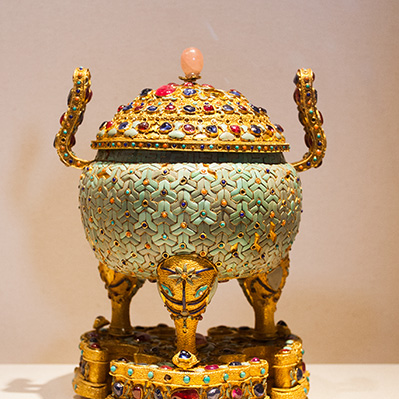
Located at the center of the ancient city of Beijing, the Forbidden City, is known as the Palace Museum, is the largest and most complete Forbidden City in China. Twenty-four emperors from the Ming and Qing dynasties lived and ruled China from there. Indeed, the Forbidden City is listed by UNESCO as the largest collection of preserved ancient wooden structures in the world, and was declared a World Heritage Site in 1987.
Palace Museum
Located at the center of the ancient city of Beijing, the Forbidden City, is known as the Palace Museum, is the largest and most complete Forbidden City in China. Twenty-four emperors from the Ming and Qing dynasties lived and ruled China from there. Indeed, the Forbidden City is listed by UNESCO as the largest collection of preserved ancient wooden structures in the world, and was declared a World Heritage Site in 1987.
 Guanfu Museum
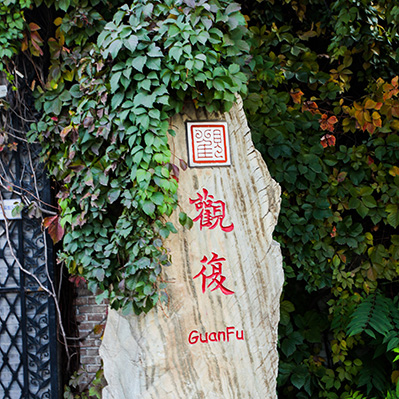
The Guanfu Museum is established as the first private museum in mainland China. The museum has a fantastic collection of fine porcelain, cloisonné, ancient furniture and carved windows and doors. It is not as big as other museums
Guanfu Museum
The Guanfu Museum is established as the first private museum in mainland China. The museum has a fantastic collection of fine porcelain, cloisonné, ancient furniture and carved windows and doors. It is not as big as other museums
 Beijing Temple of Confucius and the Imperial College Museum
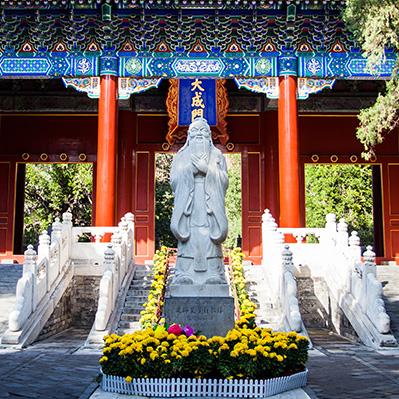
Inside the Anding men, there lies Guozijian Street, or Imperial College Street, also known as Chengxian Street, or Sage Accomplishment Street. The Street is lined with locust trees, creating a shady and fragrant retreat amidst the hustle and bustle of city life.
Beijing Temple of Confucius and the Imperial College Museum
Inside the Anding men, there lies Guozijian Street, or Imperial College Street, also known as Chengxian Street, or Sage Accomplishment Street. The Street is lined with locust trees, creating a shady and fragrant retreat amidst the hustle and bustle of city life.
 The Great Wall Museum of China
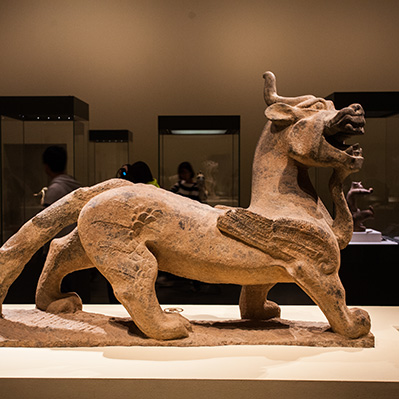
Located in Badaling, Yanqing District, the Great Wall Museum of China is a theme museum focused on displaying cultural relics and specimens that are unearthed in the country along the Great Wall, supplemented by charts, photographs, cultural landscape and models to interpret them.
The Great Wall Museum of China
Located in Badaling, Yanqing District, the Great Wall Museum of China is a theme museum focused on displaying cultural relics and specimens that are unearthed in the country along the Great Wall, supplemented by charts, photographs, cultural landscape and models to interpret them.
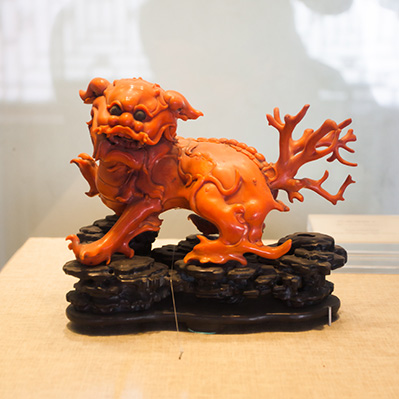 Traditional Chinese Medicine Museum of Beijing University of Chinese Medicine
The Traditional Chinese Medicine Museum of Beijing University of Chinese Medicine tells stories about the development of Chinese medicine from prehistorical period to the founding year of new China, 1949.
Traditional Chinese Medicine Museum of Beijing University of Chinese Medicine
The Traditional Chinese Medicine Museum of Beijing University of Chinese Medicine tells stories about the development of Chinese medicine from prehistorical period to the founding year of new China, 1949.
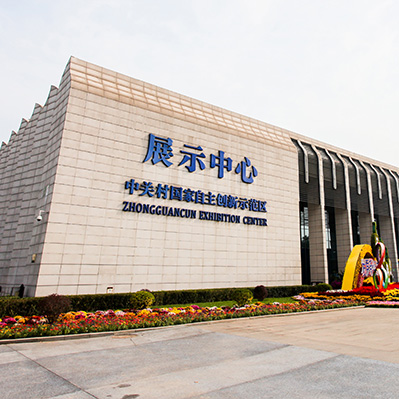 Zhongguancun Exhibition Center
 is a comprehensive display platform demonstrating the independent innovation achievements of Zhongguancun, integrating innovative resources and enhancing the influence of science and technology innovation demonstration centre.
Zhongguancun Exhibition Center
Zhongguancun Exhibition Center is a comprehensive display platform demonstrating the independent innovation achievements of Zhongguancun, integrating innovative resources and enhancing the influence of science and technology innovation demonstration centre.
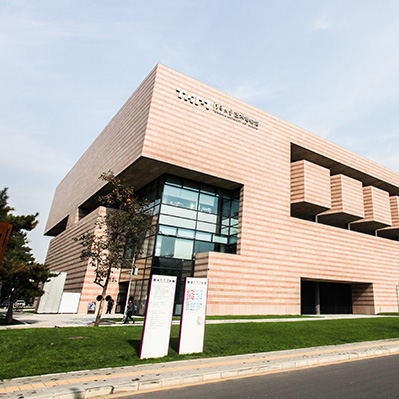 Tsinghua University Art Museum
 is located in the campus of Tsinghua University. The museum is jointly designed by the China Academy of Building Research and the well-known Swiss architect Mario Botta. The total construction area is 30,000 square meters with four floors above ground and one underground.
Tsinghua University Art Museum
Tsinghua University Art Museum is located in the campus of Tsinghua University. The museum is jointly designed by the China Academy of Building Research and the well-known Swiss architect Mario Botta. The total construction area is 30,000 square meters with four floors above ground and one underground.
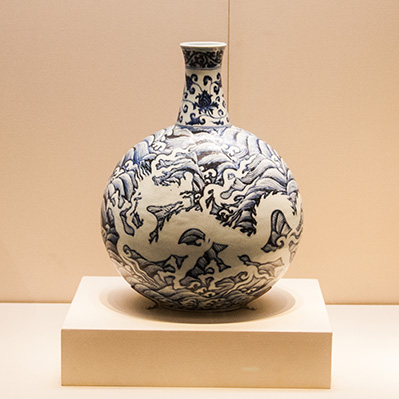 Beijing Fine Workmanship Museum
, also known Bai Gong Museum, with collections of the "work of unique skill", "masterpiece handed down" which are the essence of the Chinese nation. "Bai Gong" is from the official book "Kao Gong Ji" in Qi Dynasty during Spring and Autumn Period Warring States.
Beijing Fine Workmanship Museum
Beijing Fine Workmanship Museum, also known Bai Gong Museum, with collections of the "work of unique skill", "masterpiece handed down" which are the essence of the Chinese nation. "Bai Gong" is from the official book "Kao Gong Ji" in Qi Dynasty during Spring and Autumn Period Warring States.
 Imperial Cuisine Museum of China
The imperial cuisine which was served to the emperors and the royal family has represented top class cuisine since ancient China. The Imperial Cuisine Museum of China is located at 117 Xisihuanbei Road, Haidian District, Beijing, covering an area of 3, 250 square meters.
Imperial Cuisine Museum of China
The imperial cuisine which was served to the emperors and the royal family has represented top class cuisine since ancient China. The Imperial Cuisine Museum of China is located at 117 Xisihuanbei Road, Haidian District, Beijing, covering an area of 3, 250 square meters.