
Lidong (立冬), literally meaning the Beginning of Winter, is the 19th solar term in China’s traditional 24 Solar Terms and marks the beginning of winter in the traditional Chinese calendar. It usually falls on November 7 or 8 each year, when the Sun reaches 225 degrees of celestial longitude.

For ancient Chinese communities, the changing seasons were closely connected to agriculture, food, and everyday life. Lidong signaled the end of the autumn harvest and the beginning of a period traditionally associated with storing food, conserving energy, and preparing for colder weather.
However, China is a vast country with considerable regional climate differences. While northern regions may already experience freezing temperatures and snowfall, southern destinations can remain relatively mild and comfortable. This contrast is one of the most interesting aspects of experiencing winter in China.
Traditional Customs of Lidong
Lidong is not only a seasonal marker but also an occasion associated with traditional customs and family life. Different regions have developed their own ways of welcoming winter.
Welcoming Winter and Giving Thanks
In ancient times, Lidong was an important seasonal occasion. Historical customs included welcoming winter through ceremonies and expressing gratitude for the harvest. These practices reflected the close relationship between agricultural life, seasonal changes, and traditional Chinese beliefs.
Preparing for the Cold Season
Before modern refrigeration and heating became widespread, preparing food for winter was an important part of household life. Families stored vegetables, dried food, preserved meat, and prepared ingredients that could last through the colder months.
Family Gatherings
In many communities, seasonal changes provided an opportunity for families to gather around the dining table. Food was not simply a way to prepare for the cold; it was also a way to share the changing seasons with family and friends.
What Do Chinese People Eat on Lidong?
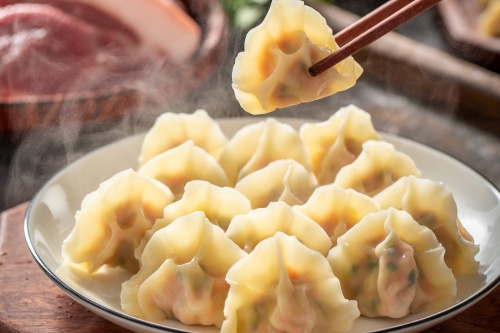
One of the most familiar Lidong traditions is eating seasonal food. Across China, different regions have developed their own dishes and customs associated with welcoming winter.
Dumplings in Northern China
In northern China, eating dumplings on Lidong is a well-known custom. Dumplings are often associated with family gatherings, and preparing them together is an important part of the experience. Popular fillings include pork, cabbage, beef, and lamb.
Lamb and Warming Dishes
Lamb is a popular ingredient in winter cuisine, particularly in northern and northwestern China. Lamb hot pot, lamb soup, and slow-cooked lamb dishes are enjoyed during colder weather.
Rice-Based Foods in Southern China
In parts of southern China, seasonal foods include glutinous rice dishes and rice cakes. Different communities have their own recipes and customs, reflecting local ingredients and culinary traditions.
Seasonal Soups and Home Cooking
Across many regions, families prepare soups and slow-cooked dishes using ingredients such as lotus root, Chinese yam, ginger, red dates, and other seasonal produce. These dishes are part of China’s broader food culture and traditional ideas about seasonal eating.
Rather than having one nationwide menu for Lidong, China offers a diverse range of regional food traditions worth discovering.
Winter Travel in China: Embrace the Cold or Escape It?
Winter offers two very different ways to experience China. Some travelers come specifically for snow-covered landscapes, frozen lakes, and winter activities, while others prefer to exchange cold weather for sunshine, coastal scenery, and a more relaxed holiday.
Whether you enjoy the crisp air of a northern winter or prefer a warm-weather escape, China has destinations suited to different travel interests.
Embrace the Cold: Discover China’s Winter Landscapes
For travelers who enjoy snow and cold weather, winter reveals some of China’s most distinctive landscapes. From spectacular ice sculptures to snow-covered mountains and historic imperial cities, the colder months offer experiences that are difficult to find in other seasons.
Harbin: A World of Ice and Snow
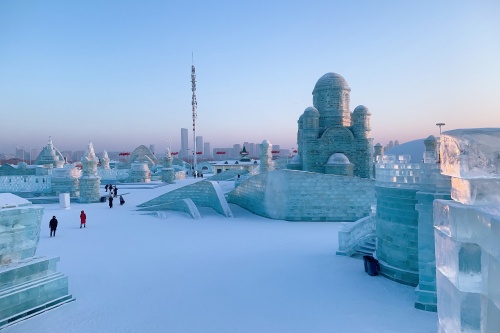
Located in Northeast China, Harbin is one of the country’s best-known winter destinations. Its long, cold winters create the perfect setting for spectacular ice and snow attractions.
The city’s most famous winter attraction is the Harbin Ice and Snow World, where enormous ice structures are transformed into illuminated architectural displays. Visitors can also admire snow sculptures on Sun Island, stroll along Central Street, and experience the distinctive Russian-influenced architecture of the city.
Beyond sightseeing, winter activities on the frozen Songhua River offer another perspective on local life. For those seeking more active experiences, nearby Yabuli provides opportunities for skiing.
For travelers looking to experience Harbin’s winter attractions, our Harbin Ice and Snow World Explore Tour offers an opportunity to discover the city’s spectacular ice displays and winter scenery. Those who want to add skiing to their winter holiday can consider the Harbin & Yabuli Fantastic Ski Tour, combining the urban attractions of Harbin with a skiing experience in Yabuli.
Beijing: Imperial Heritage in Winter

Winter gives Beijing’s historic landmarks a different atmosphere. Snow occasionally covers the roofs of the Forbidden City, the Temple of Heaven, and traditional courtyard residences, creating beautiful contrasts between white snow, red walls, and golden roof tiles.
Visitors can walk through the historic hutongs, explore imperial architecture, or experience the Great Wall surrounded by winter scenery. On particularly cold days, traditional Beijing hot pot and a warm cup of tea provide a welcome break from sightseeing.
Huangshan: Snow-Covered Peaks and Sea of Clouds
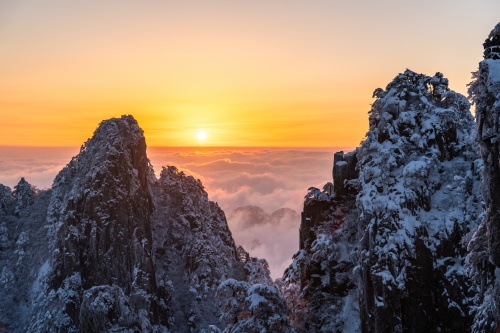
For nature lovers and photographers, Mount Huangshan (Yellow Mountain) is one of China's most distinctive winter landscapes. Its granite peaks, uniquely shaped pine trees, and dramatic rock formations become even more striking when covered in snow. On suitable weather days, visitors may also witness rime-covered branches and seas of clouds drifting between mountain peaks.
The surrounding Huizhou villages, including Hongcun and Xidi, offer another attraction. Their traditional white-walled houses, dark tiled roofs, and narrow stone lanes create an atmosphere reminiscent of a traditional Chinese ink painting. Travelers interested in discovering this combination of natural scenery and traditional architecture can consider the Mount Huangshan & Ancient Villages Tour.
Escape the Cold: Enjoy China’s Warmer Winter Destinations
Not everyone wants to spend their holiday surrounded by snow and freezing temperatures. For travelers who prefer sunshine, outdoor activities, and comfortable temperatures, southern China offers a very different winter experience.
Southern Yunnan: Tropical Nature and Tea Culture
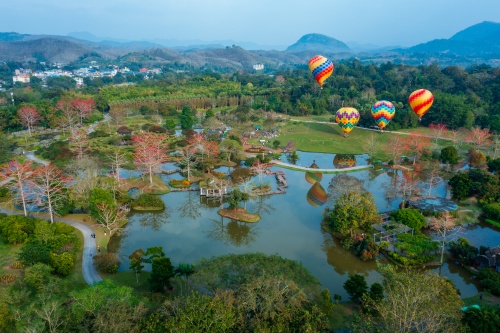
Yunnan’s climate varies considerably with altitude and location. While places such as Kunming, Dali, and Lijiang can feel cool in winter, the southern areas around Pu’er and Xishuangbanna offer a warmer, more subtropical alternative. For travelers hoping to enjoy greener landscapes and outdoor experiences without focusing on snow and freezing temperatures, this part of Yunnan offers a different kind of winter escape.
In Pu’er, visitors can explore coffee plantations, learn about the region’s coffee-growing culture, and discover its long connection with tea. Nearby Jingmai Mountain is known for its ancient tea forests and traditional villages, where visitors can learn about local tea heritage and the communities that have cared for these landscapes. These experiences are brought together in the Xishuangbanna & Pu’er Eco & Culture Tour, which combines Pu'er's coffee and tea culture with visits to Jingmai Mountain's ancient tea villages.
Further south, Xishuangbanna offers a distinctly tropical atmosphere, with lush rainforests, rich botanical diversity, and Dai cultural heritage. Visitors can explore the Xishuangbanna Tropical Botanical Garden, walk through traditional Dai villages, visit Buddhist temples, and enjoy the lively Starlight Night Market in Jinghong. Together, Pu'er and Xishuangbanna offer a rewarding combination of nature, tea and coffee culture, and regional traditions for a warmer winter journey.
Hainan: Tropical Beaches and Relaxed Coastal Living

For travelers who prefer sunshine and warmer temperatures, Hainan Island offers a very different winter experience. Located in the South China Sea, Hainan is known for its tropical climate, beautiful beaches, and relaxed coastal lifestyle. Sanya is particularly popular during the winter months, with visitors enjoying Yalong Bay, tropical rainforests, seafood, and outdoor activities.
Beyond its beaches, Hainan also offers opportunities to explore historic streets, volcanic landscapes, rainforest environments, and the cultural heritage of the Li and Miao communities. Travelers looking for a combination of coastal relaxation and island exploration can discover these experiences through the Hainan Family Tropical Odyssey.
The Greater Bay Area: Mild Winter, Vibrant Cities and Coastal Experiences
For travelers who prefer mild winter weather, vibrant cities, and cultural experiences, the Guangdong-Hong Kong-Macao Greater Bay Area offers another way to enjoy winter in southern China.
Guangzhou, the region's major commercial and cultural center, is known for its Cantonese cuisine, traditional teahouses, historic architecture, and lively urban atmosphere. In nearby Foshan, visitors can discover Lingnan architecture, Cantonese opera, traditional ceramics, and the region's rich martial arts heritage. Shenzhen offers a contrasting experience through its modern skyline, shopping districts, and contemporary urban attractions, while Hong Kong and Macao add further variety with waterfront promenades, historic neighborhoods, and distinctive local cultures.
Travelers interested in exploring Guangzhou and its surrounding cultural attractions can browse CITS’s Guangzhou tour collection for itinerary ideas and possible extensions into the wider Greater Bay Area.
How to Choose Your Winter Destination in China
China’s winter is not a single experience. The best destination depends on what kind of holiday you are looking for.
|
Travel preference |
Destinations |
Experiences |
|
Snow and ice |
Harbin, Yabuli |
Ice sculptures, skiing, snow activities |
|
Winter landscapes |
Huangshan, Beijing |
Snow-covered mountains, historic architecture |
|
Mild climate and culture |
Pu’er, Xishuangbanna |
Ancient tea forests, coffee plantations, tropical rainforest, Dai culture |
|
Tropical relaxation |
Sanya, Hainan |
Beaches, sunshine, rainforest, hot springs |
|
City and food experiences |
Guangzhou, Foshan, Hong Kong, Macao |
Cantonese cuisine, architecture, shopping, urban culture |
For international travelers, winter can also be a good opportunity to combine destinations with different climates in one longer trip. For example, a journey through Beijing and Harbin offers a northern winter experience, while combining Guangzhou, Hong Kong, and Hainan introduces a warmer side of southern China.
The choice does not have to be between sightseeing and relaxation. With suitable planning, a winter holiday in China can include both.
Frequently Asked Questions
What is Lidong in the Chinese calendar?
Lidong, or the Beginning of Winter, is the 19th solar term in China's traditional 24 Solar Terms. It marks the beginning of winter in the traditional Chinese calendar and usually falls around November 7 or 8.
What do Chinese people traditionally eat on Lidong?
Dumplings are a well-known Lidong food in northern China. Other regional foods include lamb dishes, glutinous rice products, and seasonal soups. Customs differ across regions.
Does winter begin everywhere in China on Lidong?
No. Lidong marks the traditional calendar's beginning of winter, but China's climate varies considerably. Northern China may already experience freezing temperatures, while many southern destinations remain relatively mild.
Where can I experience snow and ice in China?
Harbin is famous for its ice sculptures and snow attractions, while Yabuli is known for skiing. Beijing offers historic landmarks in winter, and Mount Huangshan is known for snow-covered peaks, pine trees, and seas of clouds.
Where can I escape the cold during winter in China?
Popular warmer destinations include Yunnan, with its mild-weather cities and mountain scenery, Hainan, with its tropical beaches and rainforests, and the Greater Bay Area, with its urban, cultural, and coastal experiences.
Can I combine different winter destinations in one trip?
Yes. China's domestic flight and high-speed rail networks make it possible to combine several destinations. CITS can also arrange private itineraries based on your travel dates, interests, and preferred climate.